
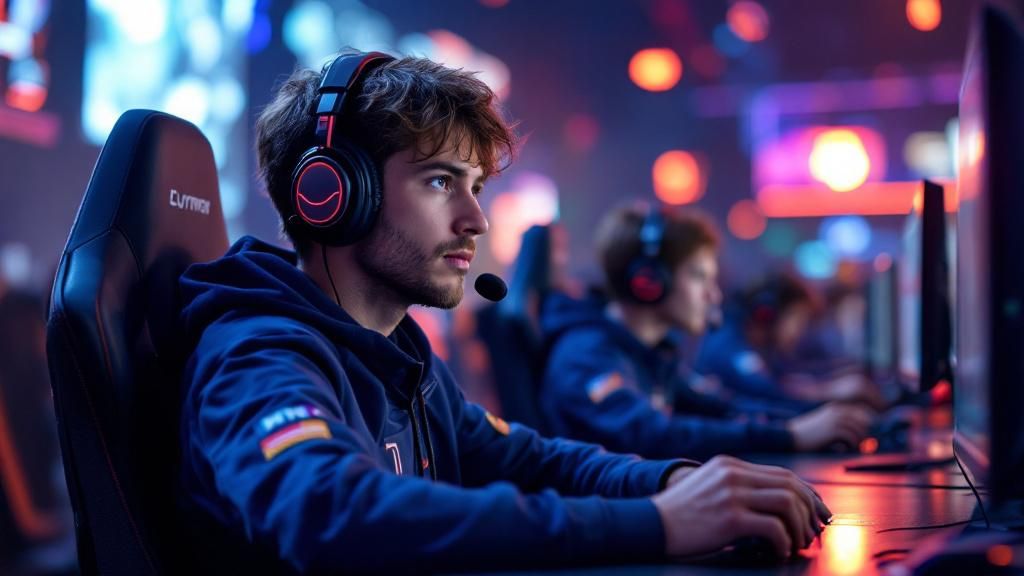
The esports industry has made considerable progress in emphasising competitor wellbeing. Leading esports bodies have collectively introduced a comprehensive player welfare standards framework, tackling persistent issues about mental wellbeing, labour conditions, and just treatment within the professional gaming sector. This significant undertaking constitutes a critical juncture for esports legitimacy, establishing baseline protections that could fundamentally alter how the industry operates. We explore the framework’s principal elements, the organisations driving this change, and what it means for players and the competitive gaming landscape going forward.
Sector-Wide Dedication to Player Health
The coordinated partnership between major esports companies marks a significant milestone for player protection within esports competition. This unified framework demonstrates the industry’s genuine commitment to creating lasting protocols that place athlete welfare first alongside performance quality. By sharing assets and experience, these organisations have established thorough standards addressing physical health, emotional health, and professional security. The programme demonstrates expanding understanding that player welfare directly influences competitive performance and professional lifespan, making it vital to the sport’s credibility and growth.
Tournament organisers have recognised that previous standards were disjointed and variable, leaving players vulnerable to abuse and fatigue. The new framework establishes consistent standards among principal events, ensuring every professional competitor obtains equal support and connection to crucial welfare resources. This unified strategy removes unfair disparities resulting from differing safeguards and sets fair competition standards. Industry experts highlight that these standards represent minimum requirements, urging bodies to surpass fundamental requirements and create truly caring settings where players can thrive in career and personal development.
Core Features of the Social Support Framework
The newly established welfare framework comprises various interrelated pillars created to protect player interests completely. These provisions address psychological wellbeing support, physical fitness, reasonable working standards, and transparent dispute resolution mechanisms. By integrating these elements, tournament administrators strive to create a holistic approach that acknowledges esports athletes as professional athletes deserving comprehensive protections. The framework establishes baseline requirements that all participating tournaments must implement, guaranteeing consistent player safeguards across the professional gaming environment.
Mental Wellbeing Assistance Programmes
Recognising the mental health challenges present within esports at a professional level, the framework stipulates provision of mental health professionals for all competing players. Event organisers must provide confidential psychological support, either directly or through partnerships with accredited mental health professionals. These services encompass managing stress, anxiety management support, and crisis support resources. Players gain access to trained psychologists who are familiar with esports-specific pressures, including online abuse, severe competitive pressure, and career uncertainty.
The framework also mandates tournaments to establish mental health awareness programmes and anti-stigma campaigns across the community. Organisers are required to train players, coaches, and staff about recognising psychological difficulties and accessing suitable assistance. Ongoing assessments and wellness monitoring systems enable detect struggling players at an early stage, enabling early action before situations escalate into critical psychological situations.
Physical Health Requirements
Tournament coordinators must implement detailed wellness standards tackling ergonomics, recovery intervals, and clinical supervision. The framework mandates proper seating, monitor positioning, and breaks to minimise repetitive strain injuries prevalent in esports professionals. Healthcare professionals must be present at large-scale competitions to handle acute health issues, whilst organisers are obliged to give advice about injury prevention and suitable medical facilities for long-term player development.
Environmental factors at tournament facilities are now covered under strict standards maintaining player wellbeing and safety. Regulations encompass temperature control, lighting standards, and noise levels to create optimal competitive conditions. Additionally, the framework encourages players to complete periodic health checks and offers guidance on nutrition, sleep hygiene, and exercise routines crucial for sustained professional performance in esports.
- Workplace gear assessments conducted by certified experts
- Mandatory rest periods between matches preventing player exhaustion
- Medical personnel on location present throughout competitive events
- Injury prevention training and recovery programme access
- Health monitoring programmes tracking athlete health throughout seasons
Rollout Schedule and Standards
The framework will be implemented in three different phases, starting immediately with initial evaluations across participating organisations. Tournament operators have agreed to completing baseline audits of their present procedures by the conclusion of Q1, identifying gaps between current procedures and the updated requirements. This initial stage ensures a detailed evaluation of each organisation’s starting point before making material alterations. Later stages will encompass employee development, procedural revisions, and the creation of external compliance frameworks to secure conformity and accountability throughout the esports industry.
The standards themselves encompass mandatory provisions relating to mental health support, reasonable practice schedules, and clear prize allocation procedures. Each organisation is required to appoint a dedicated player welfare officer tasked with handling grievances and ensuring adherence to guidelines. Regular audits, performed by third-party bodies, will confirm adherence and highlight zones for development. These thorough safeguards set defined targets for player protection, with regulatory tools including pecuniary fines and potential tournament sanctions for organisations unable to meet required standards.
Sector Response and Future Perspective
The declaration has attracted strong backing from stakeholders across the esports ecosystem. Player unions have praised the framework as a necessary step towards professionalising the industry, whilst organisation proprietors and financial backers acknowledge the prospects of greater credibility and longevity. Gaming equipment manufacturers and content distribution networks have undertaken to embed safeguarding measures into their day-to-day activities, demonstrating a shared dedication to comprehensive transformation. Early indications suggest that oversight organisations and public sector leaders view the criteria with approval, conceivably facilitating statutory acknowledgement of esports as a established professional field.
Looking ahead, industry observers anticipate that this framework will function as a template for worldwide implementation, with regional tournaments and grassroots events set to adopt comparable standards. The programme is likely to inspire ongoing discussion regarding athlete remuneration, professional progression routes, and psychological support services. As esports continues its meteoric growth, these player protections represent a crucial safeguard guaranteeing that competitive gaming remains viable, welcoming, and respectful for all participants, ultimately strengthening the industry’s position as a legitimate competitive sector.
